



Beginner Dog Training Tips: Your Friendly Guide to a Happy, Well-Behaved Pup
- Donte B.
- Jun 8
- 4 min read
Bringing a new dog into your life is exciting, but it can also feel a bit overwhelming. Whether you’ve just adopted a playful puppy or welcomed a rescue into your home, training is the key to building a strong bond and ensuring your furry friend fits happily into your busy lifestyle. This guide is packed with practical advice and gentle encouragement to help you start on the right paw.
Training your dog doesn’t have to be complicated or stressful. With patience, consistency, and a few simple techniques, you’ll see your dog’s behavior improve in no time. Let’s dive into some beginner dog training tips that will make your journey enjoyable and rewarding.
Beginner Dog Training Tips to Get You Started
Starting with the basics is always best. Here are some foundational tips that will set you and your dog up for success:
Keep training sessions short and sweet. Dogs, especially puppies, have short attention spans. Aim for 5 to 10 minutes per session, a few times a day.
Use positive reinforcement. Reward good behavior with treats, praise, or playtime. This encourages your dog to repeat those behaviors.
Be consistent. Use the same commands and routines every day. Consistency helps your dog understand what you expect.
Stay patient and calm. Dogs can sense frustration. If you feel overwhelmed, take a break and try again later.
Create a safe training space. Choose a quiet area free from distractions to help your dog focus.
For example, when teaching “sit,” hold a treat close to your dog’s nose, then slowly move it upward. As their head follows the treat, their bottom will naturally lower. The moment they sit, say “sit” and give the treat. Repeat this several times daily, and soon your dog will sit on command without the treat.

Understanding Your Dog’s Mindset
Training is not just about commands; it’s about understanding how your dog thinks and learns. Dogs are social animals who want to please you, but they also need clear communication.
Dogs learn through repetition and association. They connect actions with outcomes. If sitting leads to treats, they’ll want to sit.
Body language matters. Dogs read your tone, posture, and facial expressions. Use a happy, encouraging voice and relaxed body language.
Avoid punishment. Harsh corrections can cause fear and confusion. Instead, redirect unwanted behavior and reward the good stuff.
Socialization is key. Expose your dog to different people, places, and other dogs early on. This builds confidence and reduces anxiety.
Remember, every dog is unique. Some may learn quickly, while others need more time. Celebrate small victories and keep the experience positive.
What is the 7 7 7 Rule for Puppies?
If you’re training a puppy, you might have heard about the 7 7 7 rule. It’s a simple guideline to help you understand your puppy’s development stages and training needs:
7 weeks: This is when puppies start to learn basic social skills from their littermates and mom. It’s a critical time for gentle handling and early socialization.
7 months: Around this age, puppies hit adolescence. They may test boundaries and show more independence. Consistent training and patience are essential now.
7 years: Dogs reach full maturity by this age. Training should continue throughout their life to reinforce good behavior and keep their mind sharp.
Knowing these milestones helps you tailor your training approach and expectations. For example, a 7-week-old puppy needs lots of gentle exposure to new experiences, while a 7-month-old might require more structured obedience work.
Practical Tips for Common Training Challenges
Every dog owner faces challenges, but with the right strategies, you can overcome them smoothly.
Potty Training
Take your dog outside frequently, especially after meals, naps, and playtime.
Choose a consistent potty spot and praise your dog immediately after they go.
Watch for signs like sniffing or circling and take them out right away.
Clean accidents thoroughly to remove odors that might attract repeat visits.
Leash Pulling
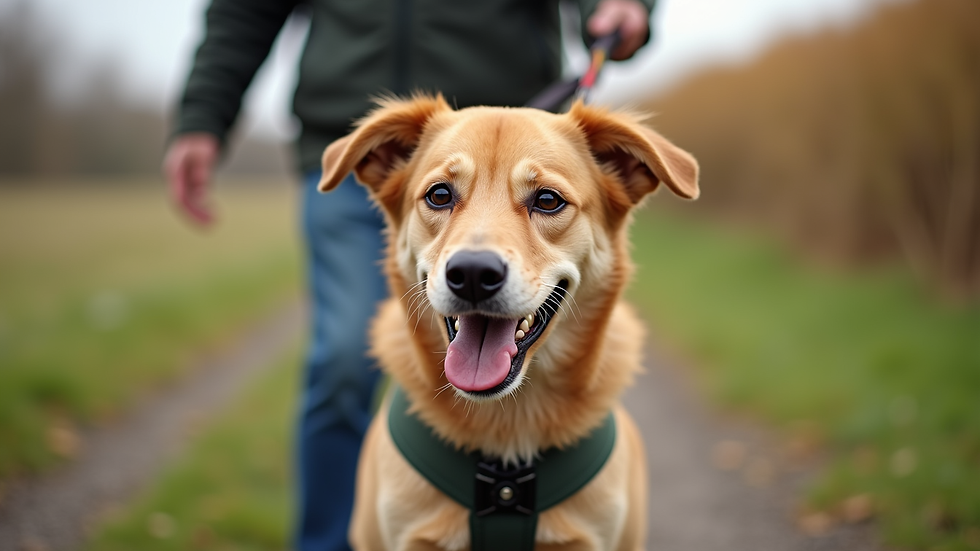
Use a no-pull harness or head collar for better control.
Stop walking when your dog pulls and only move forward when the leash is slack.
Reward your dog for walking beside you calmly.
Practice indoors or in a quiet area before venturing into busy streets.
Barking
Identify the cause of barking - boredom, fear, or attention-seeking.
Redirect your dog’s attention with a toy or command.
Reward quiet behavior and avoid yelling, which can increase barking.
Provide plenty of exercise and mental stimulation to reduce excess energy.
Separation Anxiety
Gradually increase the time you spend away from your dog.
Leave comforting items like a favorite toy or blanket.
Avoid dramatic goodbyes and greetings.
Consider crate training as a safe space for your dog.
Creating a Training Routine That Fits Your Busy Life
Balancing work, family, and dog training might seem tricky, but a routine can make it manageable.
Schedule short training sessions. Even 5 minutes in the morning, afternoon, and evening can add up.
Involve the whole family. Consistent commands and rules from everyone help your dog learn faster.
Use everyday moments as training opportunities. Practice “sit” before meals or “stay” while you grab the leash.
Keep training fun. Mix in play and affection to keep your dog motivated.
Seek professional help if needed. Personalized guidance can save time and frustration.
By making training a natural part of your day, you’ll build a strong relationship with your dog and enjoy the benefits of a well-behaved companion.
Training your dog is a journey filled with learning, laughter, and love. With these beginner dog training tips, you’re well on your way to creating a happy, respectful partnership. Remember, every step forward is a success worth celebrating. For more detailed guidance, check out this helpful dog training 101 resource to deepen your knowledge and skills.
Happy training!


Comments